The antique world, once defined by dusty archives and dimly lit showrooms, is now illuminated by screens and algorithms. A new generation of collectors is emerging — curious, tech-savvy, and global. They blend reverence for history with the precision of data. The result is a revolution: the old world of antiques meeting the new intelligence of machines.
From Instinct to Insight
Traditionally, collecting relied on instinct, mentorship, and years of connoisseurship. Today, information flows instantly. Databases track provenance, auction records, and restoration histories. Mobile apps identify maker’s marks. What once took months in archives can now unfold in minutes. Knowledge, once exclusive, has become democratized.
But technology has not replaced intuition — it has refined it. The true collector uses data to support the same instinctive eye that guided collectors centuries ago. A neural network may recognize a pattern, but only human emotion can recognize poetry.
AI in the Age of Artifacts
Artificial Intelligence now assists appraisers in analyzing condition, style, and historical trends. Image recognition can match a furniture carving to known workshops; valuation models can forecast market trajectories. The AI appraisal tools developed for Godfather Antiques embody this union of efficiency and elegance.
Yet, even in this digital framework, human appraisers remain irreplaceable. AI provides the analysis; the expert provides the soul. Together they form a hybrid intelligence that serves collectors better than either could alone.
The Digital Collector
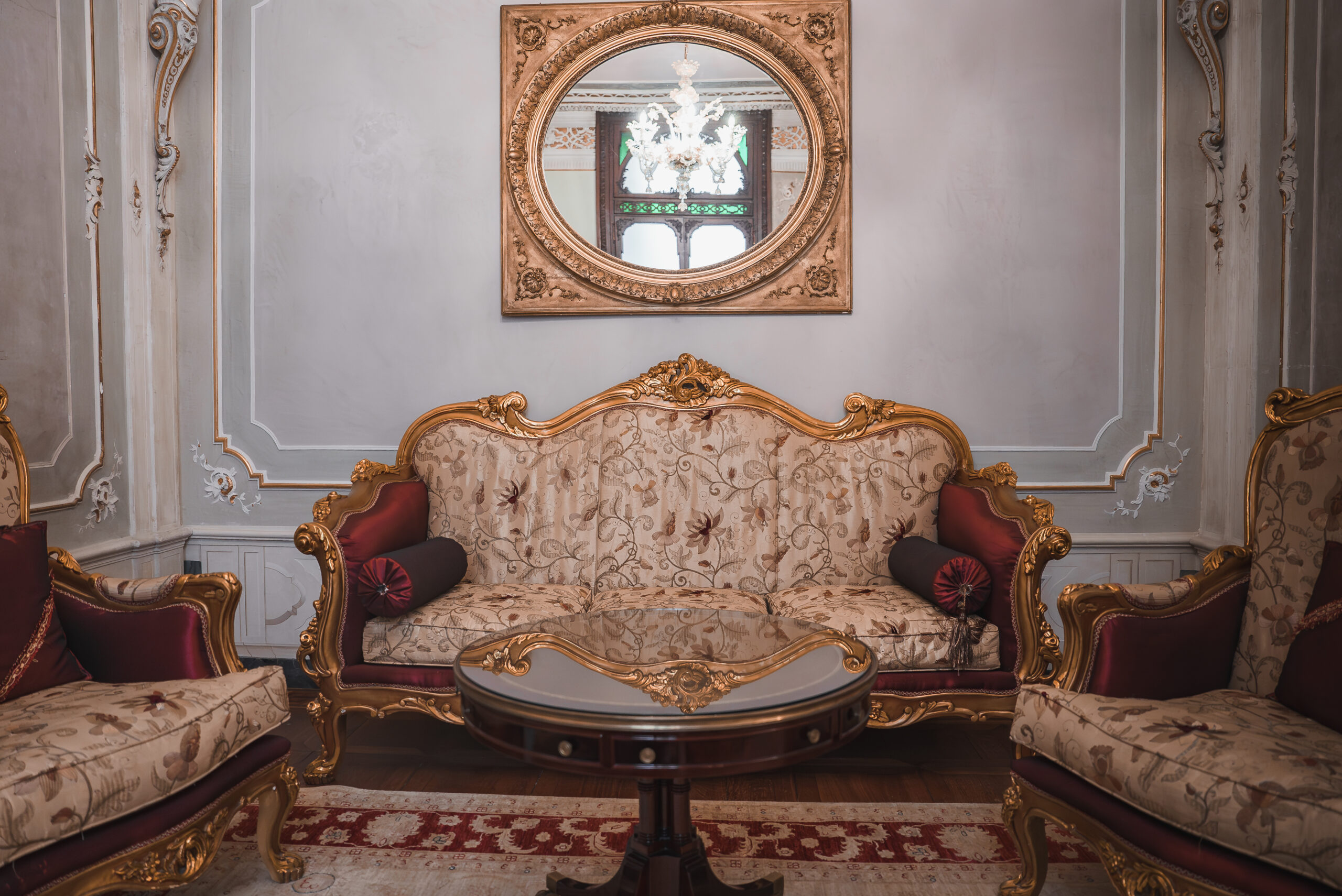
Online auctions and virtual galleries have expanded the marketplace. Collectors in New York can bid on a Venetian mirror from Florence without crossing the Atlantic. Social media connects artisans and enthusiasts in real time, while digital catalogues allow private collections to inspire public curiosity.
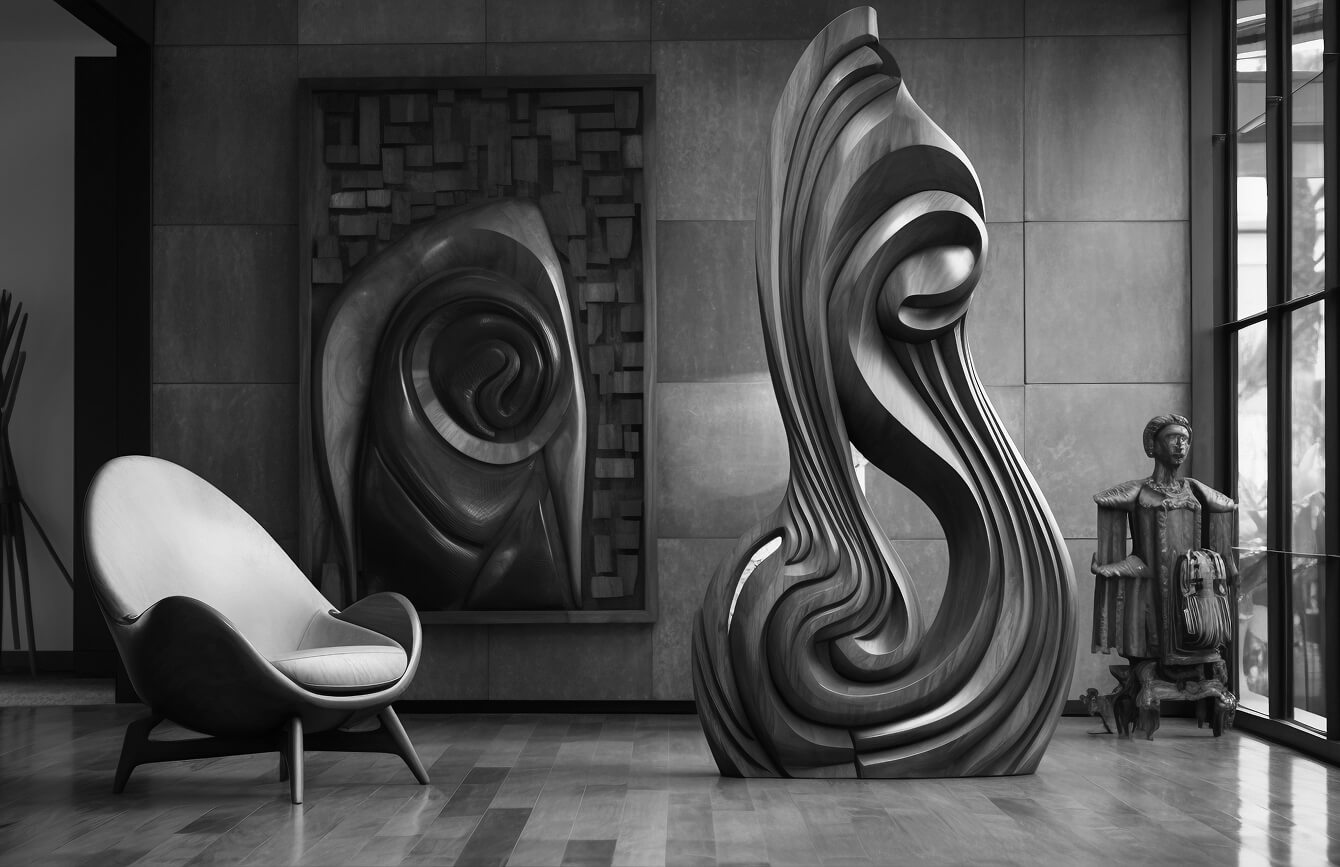
Younger collectors, raised on design blogs and minimalist interiors, now rediscover antiques through contrast. They mix Louis XVI chairs with modern steel tables, Chinoiserie screens with abstract art. Technology didn’t diminish antiques — it made them visible again.
Preserving Craft in a Virtual World
As 3D scanning and digital archiving advance, every antique can now exist in two forms: the tangible and the virtual. This ensures survival even if the original perishes. The paradox of modern collecting is beautiful — technology safeguards the past by replicating it.
A New Renaissance
The modern collector no longer fears the future; they shape it. By embracing AI, they continue the antique tradition of innovation born from craftsmanship. After all, every great maker of the past was once a modern thinker.
When history and innovation coexist, heritage becomes not relic, but relevance.
— Written exclusively for Godfather Antiques | Bridging the elegance of the past with the intelligence of tomorrow.