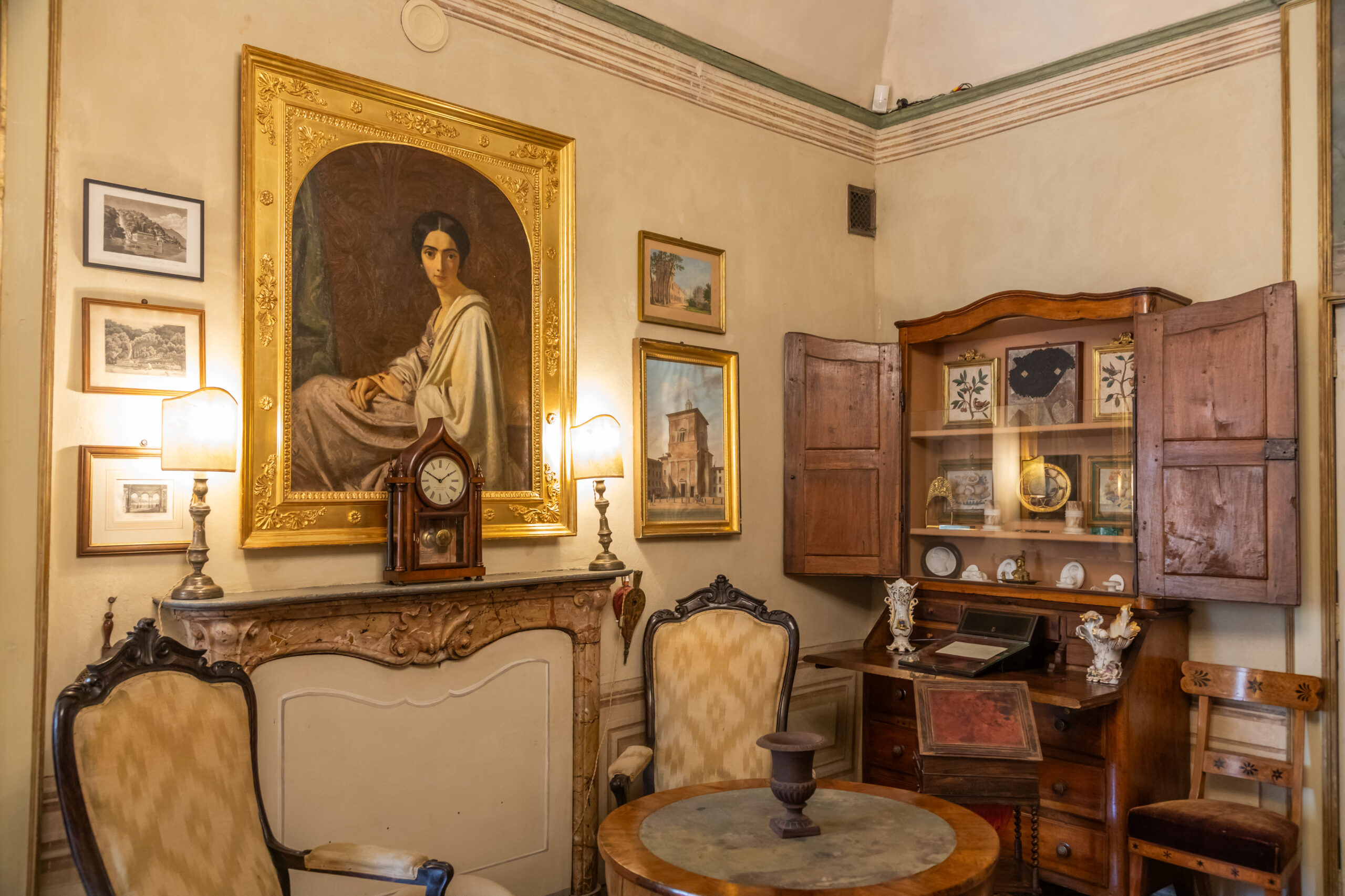
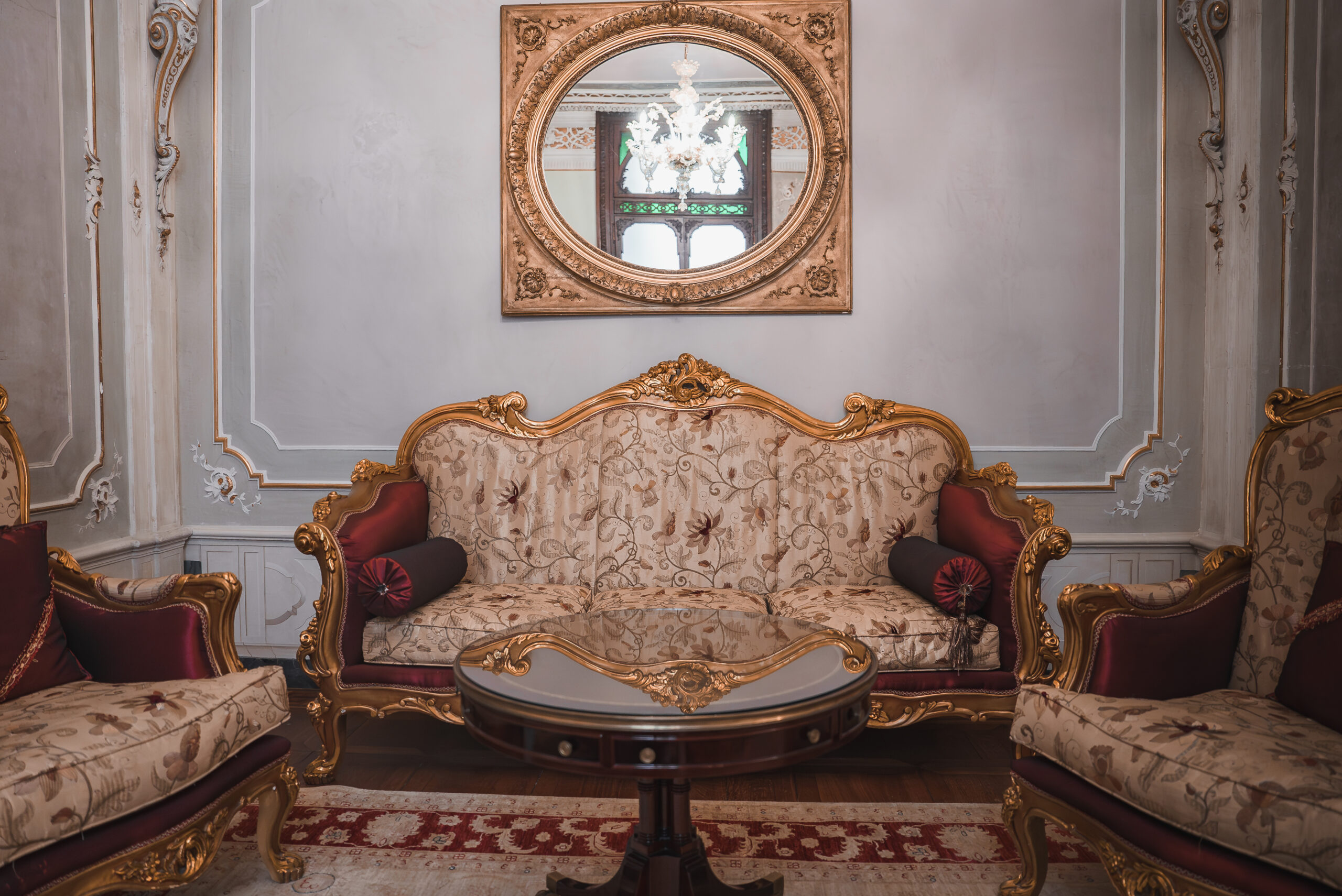
In an age obsessed with perfection, patina whispers an older truth: that beauty deepens, it doesn’t fade. Collectors know the thrill of a surface softened by centuries—the satin gleam of worn bronze, the ghostly sheen on leather, the minute cracks in varnish that artists call craquelure. Each imperfection is a syllable in an unspoken language of time.
What Patina Really Means
The word derives from Latin patena, a shallow dish, but its meaning has expanded to describe the transformation that materials undergo as they live. Oxygen, sunlight, touch, and neglect all collaborate in slow alchemy. Where newness shouts, patina murmurs: I have endured.
In antiques, authenticity and patina are inseparable. Strip a Georgian chest to bare wood and you erase two centuries of dialogue between object and environment. The collector’s task is not to restore youth but to preserve memory.
The Alchemy of Surface
Each material ages with its own poetry:
- Bronze grows a green film of copper carbonate that painters once imitated with pigments called verdigris.
- Mahogany darkens into plum-red warmth.
- Leather develops a bloom known as “hand.”
- Porcelain glazes craze in fine spider-web lines, evidence of kiln and climate conspiring.
To the untrained eye these seem flaws; to the connoisseur they are signatures.
Philosophy of Acceptance
Wabi-sabi, the Japanese aesthetic of impermanence, parallels Western appreciation of patina. It teaches that transience amplifies beauty. A repaired crack, lined with gold in kintsugi, becomes a monument to endurance. Antique collecting at its best is an act of empathy—we value what has lived.
Guardians, Not Owners
Caring for patina requires restraint. Wax lightly, dust often, polish rarely. Harsh cleaning is vandalism disguised as virtue. Each fingerprint contributes to continuity; you are adding your own chapter. Museums understand this: they stabilize decay rather than erase it.
Modern Design and the Return of Texture
Contemporary interiors now pair high gloss with heritage pieces precisely for contrast. Designers source vintage metals and reclaimed woods because they photograph authentically—light clings to irregularity. Patina sells honesty in a market weary of plastic perfection.
To live among antiques is to accept time as collaborator. Patina reminds us that refinement isn’t achieved once but cultivated across generations—a luminous conversation between material, maker, and beholder.
— Written exclusively for Godfather Antiques | Celebrating the art of time and the enduring beauty of age.