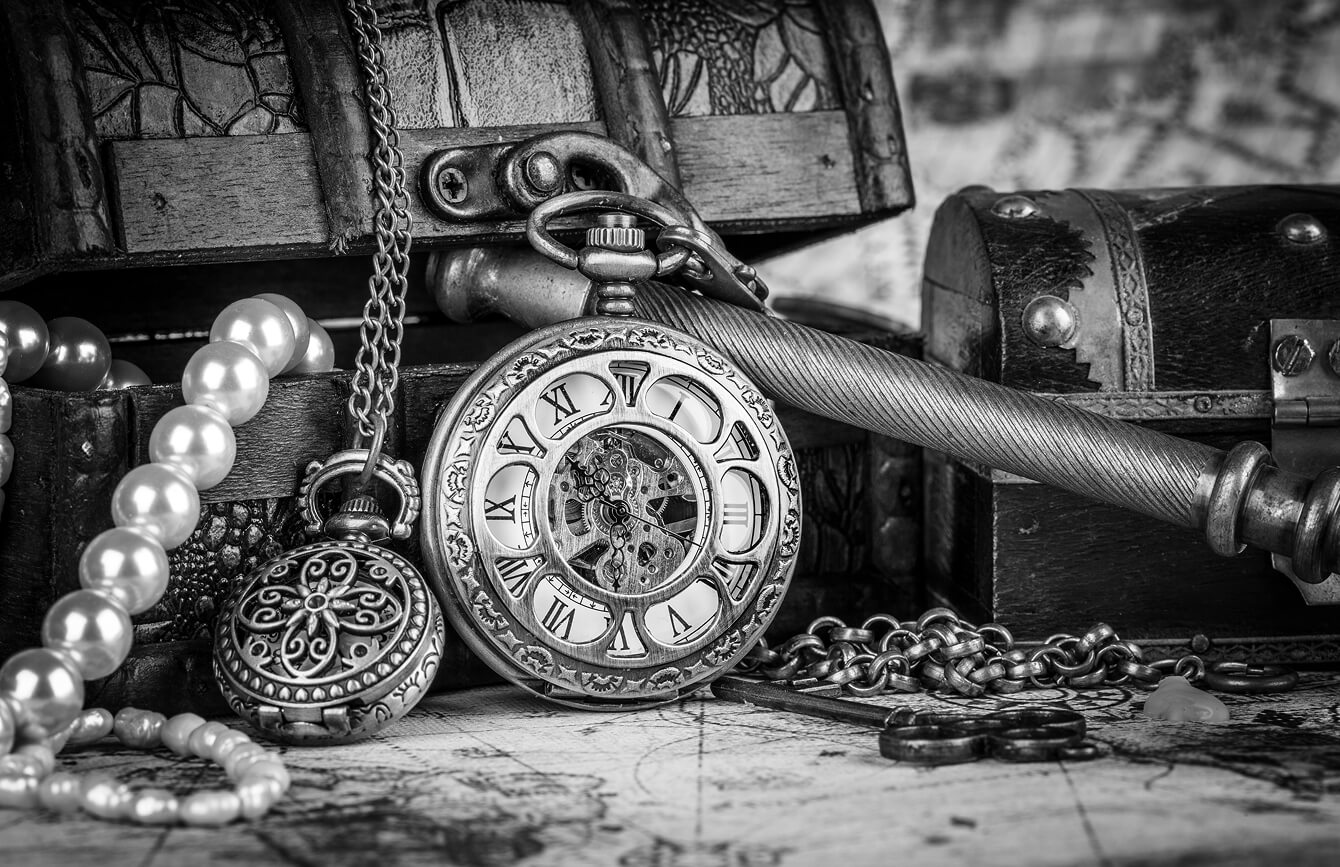
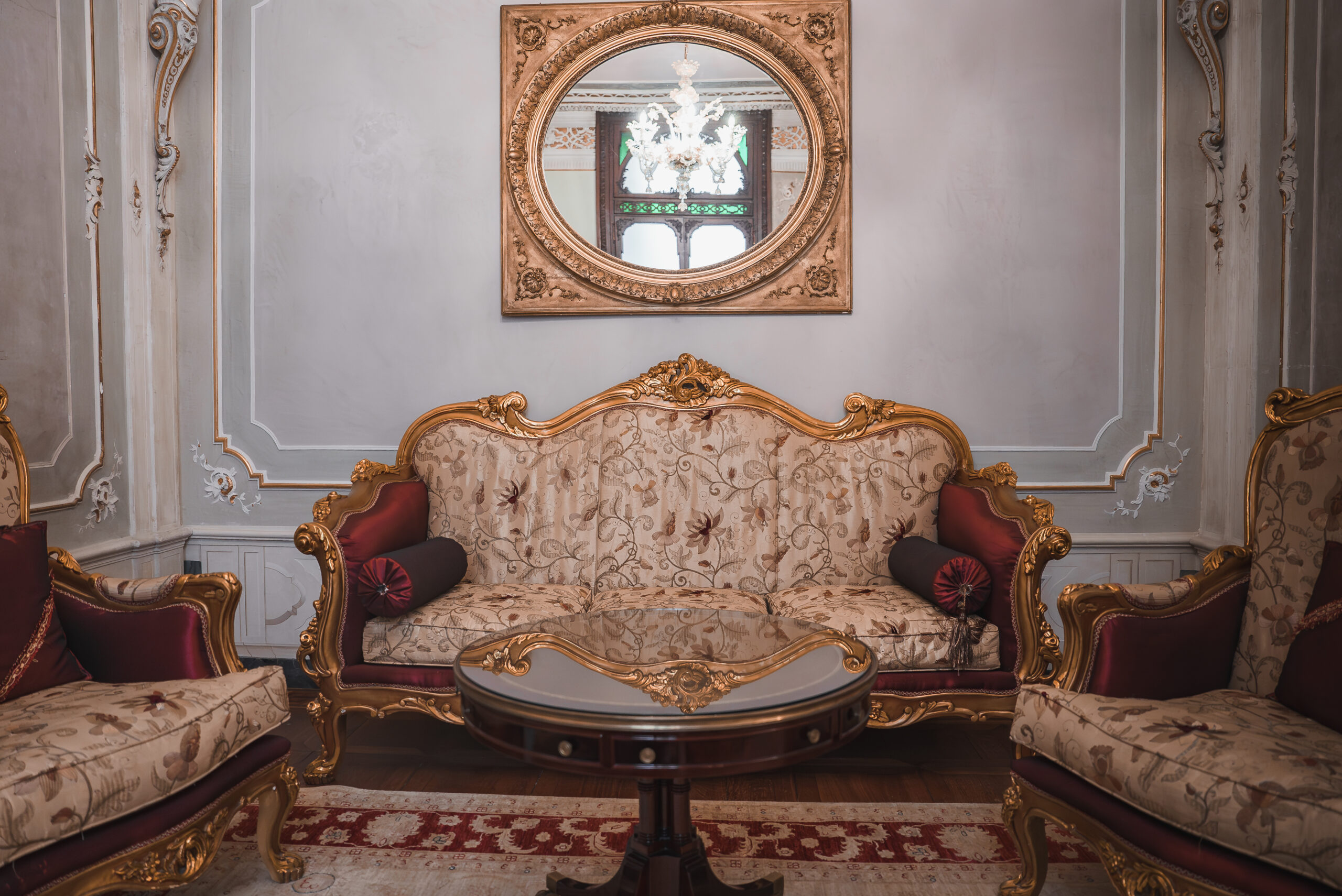
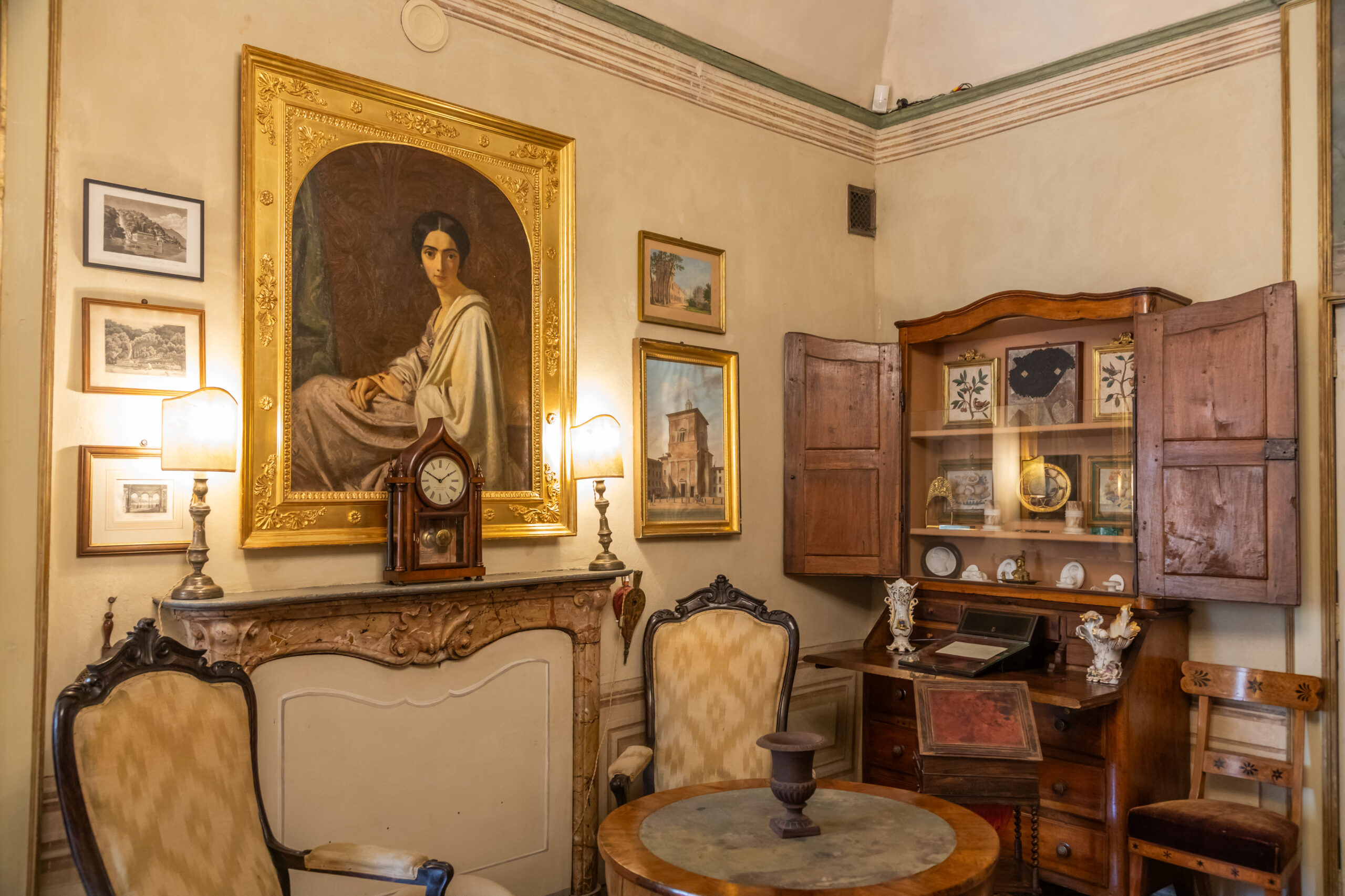
There is a certain poetry in a machine that measures the very thing that destroys it. An antique clock is not merely an instrument—it is a meditation on time itself. Its gears, wheels, and escapements form a mechanical symphony that has been playing for centuries. Collectors know that behind every rhythmic tick is the heartbeat of an era when craftsmanship and philosophy were one and the same.
The Birth of Mechanical Grace
Clockmaking, as we know it, emerged in the 17th century when the balance spring gave humans unprecedented command over minutes and seconds. But while precision was the engineer’s triumph, beauty was the artisan’s domain. Cabinetmakers, gilders, and enamelers transformed functionality into art: ormolu-mounted cases glittered with mythological scenes, while silver dials caught candlelight like starlight.
The clock became the focal point of the salon—a symbol of intellect, taste, and, ironically, mortality. Every tick reminded its owner that elegance, like time, must be continually wound to endure.
Masters of the Miniature
Some of the most admired horologists were also artists. Thomas Tompion’s clocks combined scientific rigor with sculptural grace. Abraham-Louis Breguet’s watches were worn by royalty yet admired by philosophers; his equation-of-time mechanisms corrected celestial differences with divine precision. To handle a Breguet or a Dent today is to hold the Enlightenment in your palm—an age when reason was expressed through perfect balance and when the measure of time was also a measure of intellect.
Why Collectors Still Pursue Them
In a world of disposable gadgets, the hand-wrought movement of a two-century-old clock feels almost sacred. Collectors don’t simply own timepieces—they steward legacies of invention. The joy lies not in ownership but in continuity: winding, adjusting, listening. When a 1790 longcase begins to tick again, it resumes a conversation interrupted, not ended.
Rarity, provenance, and condition drive value, but emotion drives devotion. The faint perfume of oil and brass, the sound of gears meshing after a century’s silence—these moments cannot be manufactured.
A Future in the Past
Modern collectors increasingly integrate antique clocks into contemporary interiors. Against minimalist concrete or steel, a Louis XVI mantel clock becomes not an anachronism but an anchor—a reminder that precision once required patience. The balance of artistry and mechanism defines true luxury: mastery on a miniature scale.
— Written exclusively for Godfather Antiques | Honoring the timeless art of horology and craftsmanship.