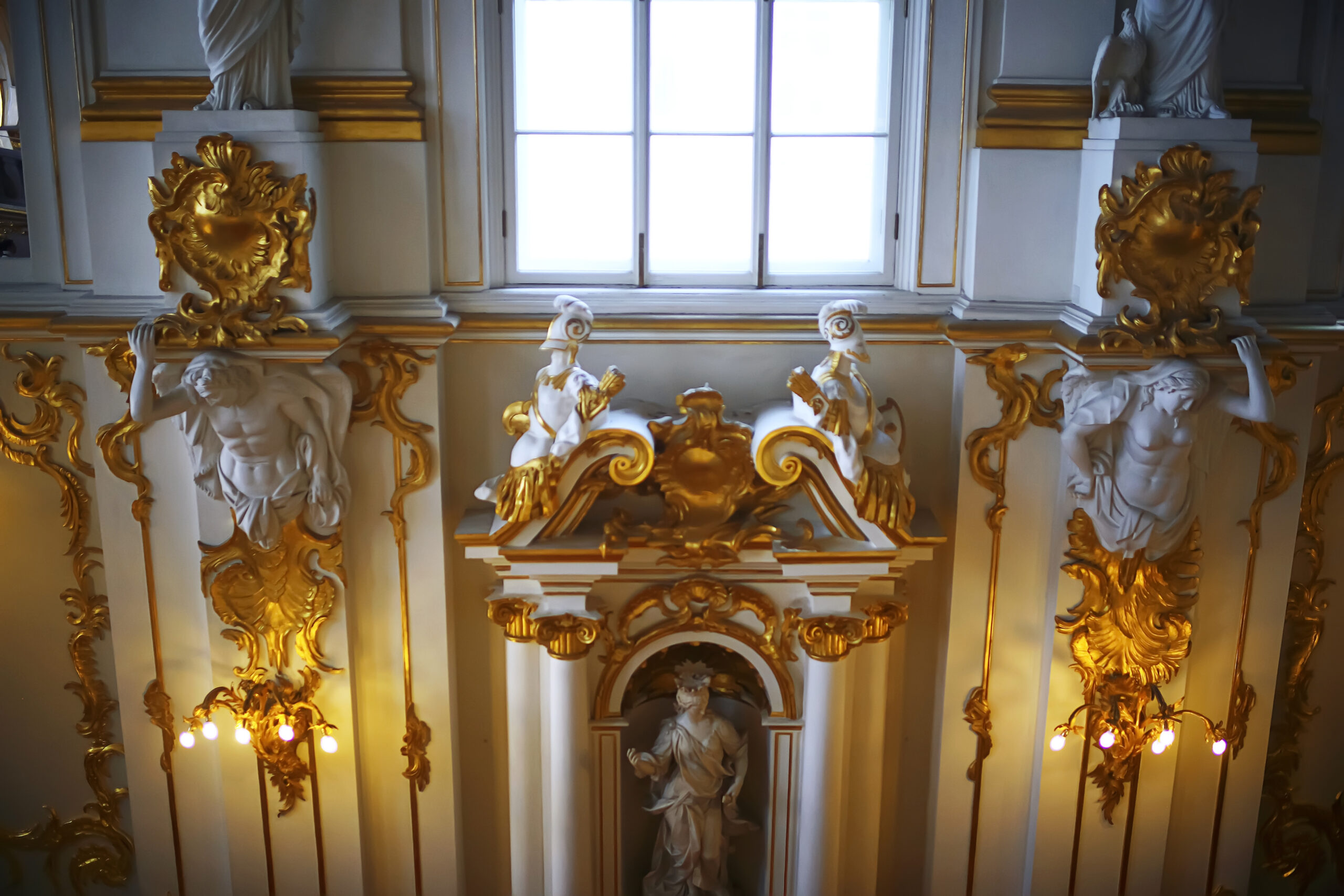
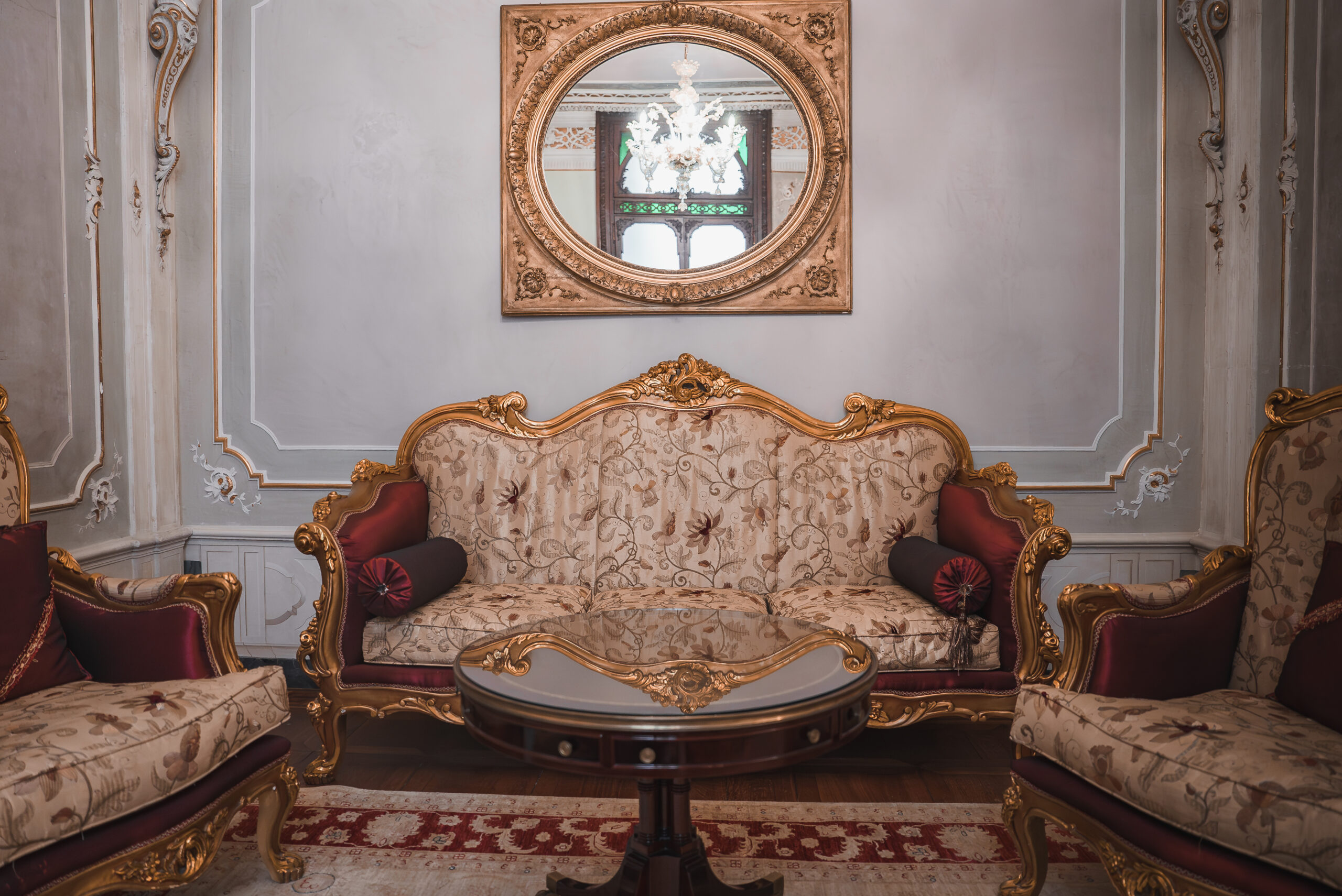
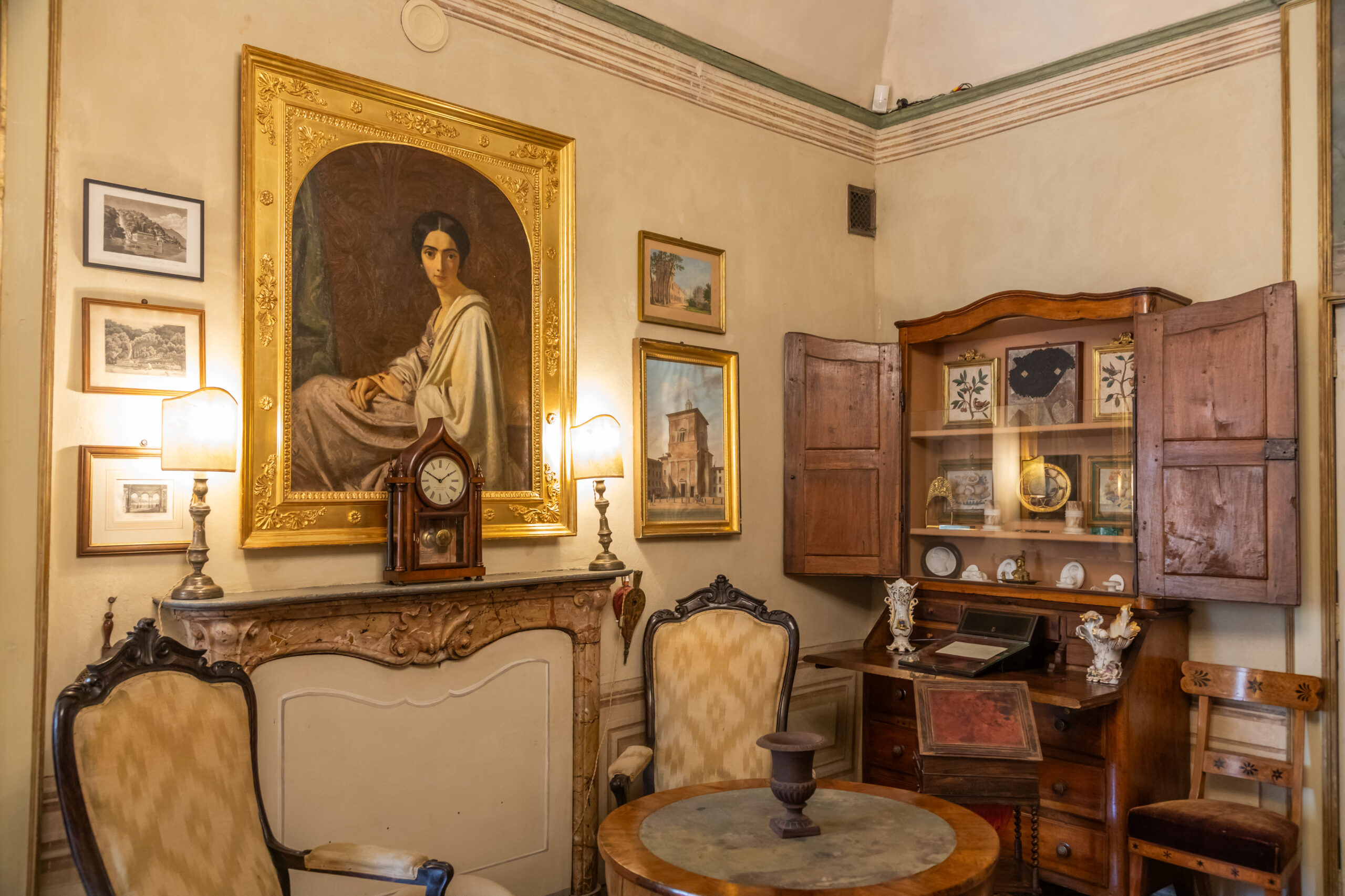
Gold has long been the language of devotion, power, and splendor. It transcends culture and era — from the luminous halos of Byzantine icons to the gilded salons of Versailles. To gild is not merely to decorate; it is to consecrate. Each flake of gold leaf, fragile as breath, transforms wood or plaster into something radiant and eternal.
The Origins of Gilded Glory
The earliest artisans gilded to honor gods and kings. Egyptian tombs gleamed with gold-covered furniture meant to accompany pharaohs into eternity. Greek temples used gold not for ostentation but for transcendence — its reflective glow was thought to contain divine light. By the Renaissance, gilding had evolved into a painter’s instrument. Artists like Fra Angelico laid gold leaf as halos, backgrounds, and symbolic illumination.
In the 17th and 18th centuries, gilding reached its zenith in Europe. French craftsmen developed ormolu — bronze coated in gold amalgam and polished to brilliance. Furniture by André-Charles Boulle and mirrors by craftsmen of the Louis XIV court radiated wealth and mastery. The gilded salon was both theater and temple, every shimmer orchestrated to flatter candlelight and ego alike.
Alchemy and Artistry
True gilding remains one of the most delicate processes known to artisans. Gold leaf is beaten to 1/250,000th of an inch — so thin that a sigh can move it. The gilder breathes slower, steadier, as if performing meditation. Layers of clay bole are brushed onto the surface, followed by sheets of leaf applied with static and breath. When burnished, the surface glows with an inner light that no paint can mimic.
Each technique — water gilding, oil gilding, verre églomisé (gold on glass) — tells a different story of texture and era. Water gilding, used on frames and furniture, allows the artist to burnish to mirror brilliance, while oil gilding, more durable, gave architectural moldings their enduring gleam.
The Collector’s Gold Standard
Collectors know that gilding is more than shine; it’s survival. Authentic gold never tarnishes — it simply mellows. Distinguishing original leaf from later regilding requires experience: look for red bole showing through wear, subtle irregularities at corners, and that unmistakable warmth which imitation lacks.
A gilt frame with genuine age is like an old soul — it glows quietly. Artificial brilliance, by contrast, glares.
The Modern Allure of the Gilded
Today, designers reintroduce gilding not as extravagance but as punctuation. Against black marble or matte walls, a single gilt mirror can elevate a space into timeless dialogue between light and shadow. Gold, after all, is not fashion but constant — an echo of the sun itself.
Collectors who preserve gilded antiques are custodians of illumination. They carry forward humanity’s oldest artistic impulse: to capture light, and in doing so, honor life.
— Written exclusively for Godfather Antiques | Illuminating the enduring artistry of gilded ornamentation.