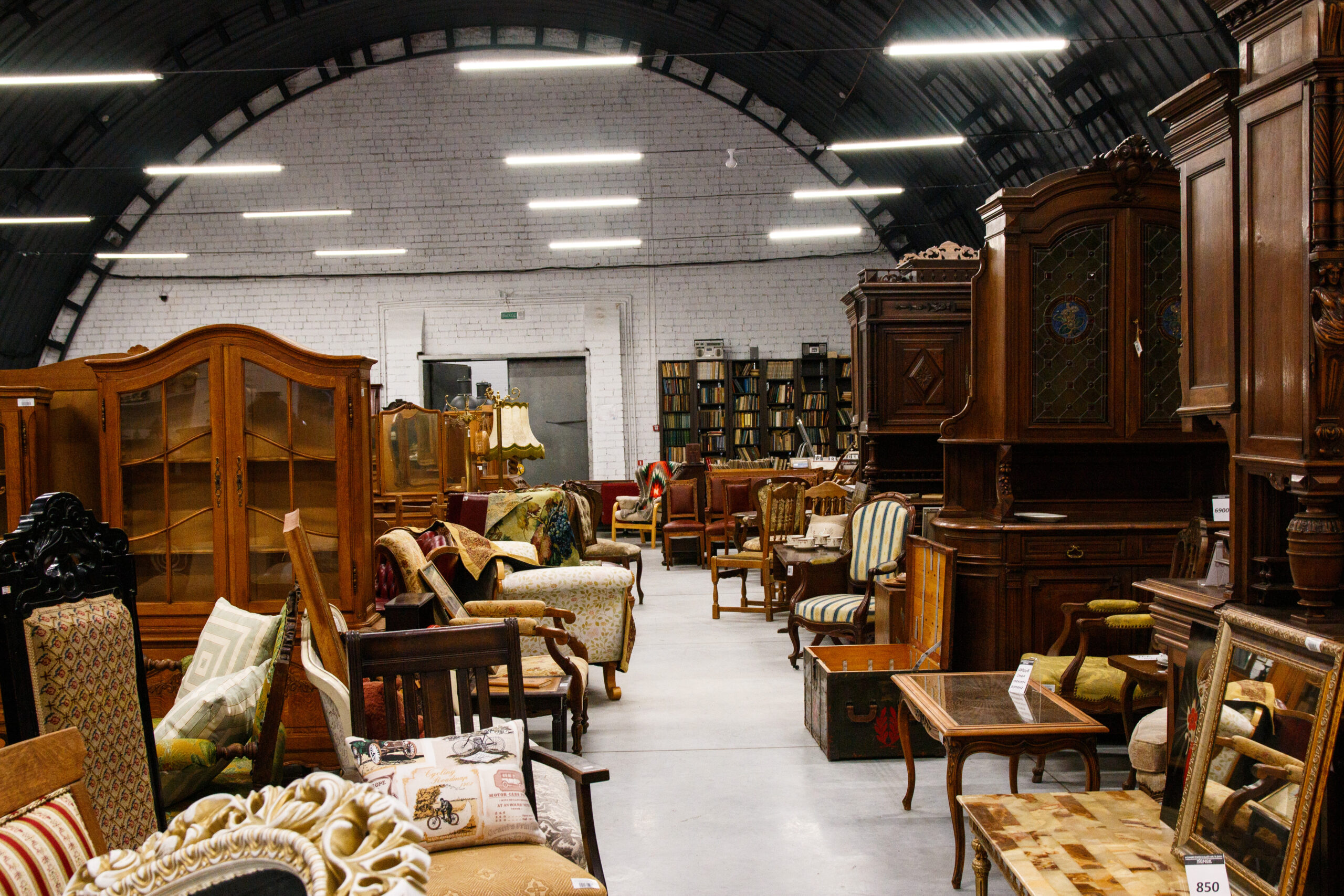
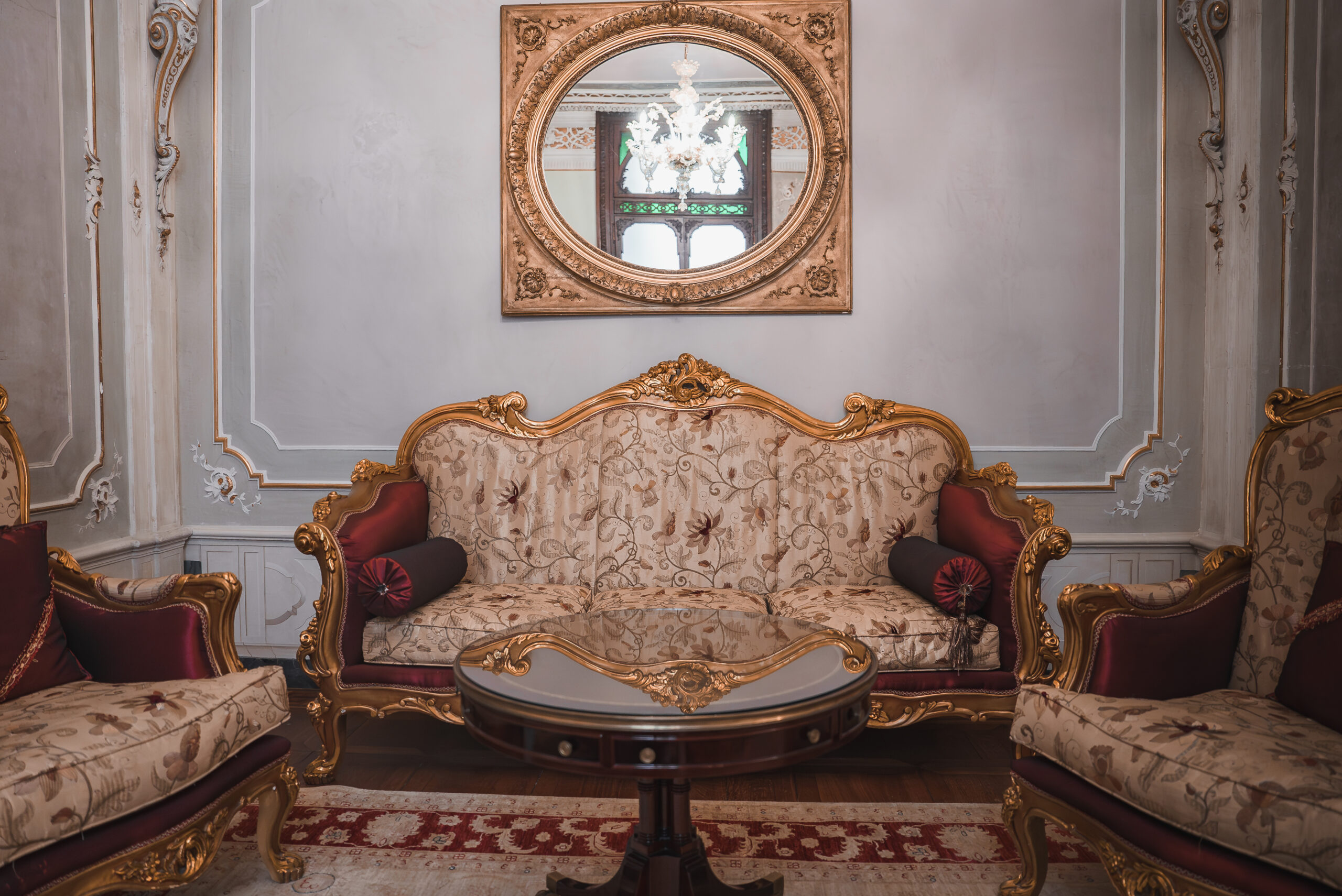
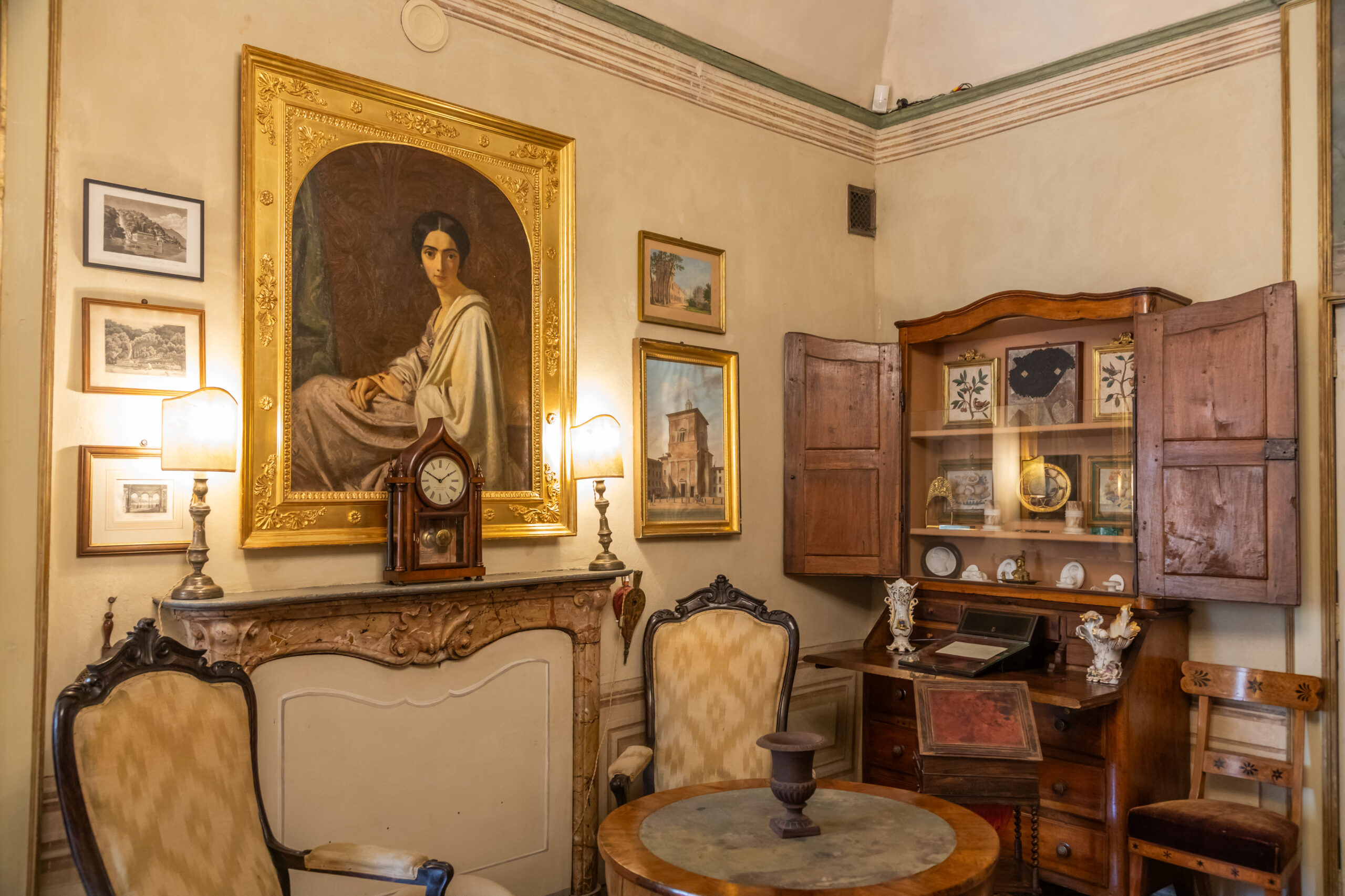
Every antique has two lives. The first begins when it is created—commissioned, admired, and eventually forgotten. The second begins the day it is rediscovered. Its voyage from attic or estate to the polished floors of a collector’s home is not mere commerce; it’s resurrection.
The Theater of the Auction
At a fine auction, anticipation hums like static. Bidders exchange glances, catalogues whisper, and the auctioneer’s rhythm turns the sale into theater. The air is thick with adrenaline and scholarship—every paddle raised is both gamble and declaration of taste.
For collectors, the thrill lies in possibility. Behind each lot number hides a story: the portrait of a forgotten countess, the bureau once gracing a Paris salon. When the hammer falls, so does history—into the hands of its next custodian.
The Provenance Trail
Provenance, that delicate thread connecting present to past, transforms an object into a narrative. A chair is just furniture until a ledger reveals it sat in the library of an English duke. A snuffbox gleams brighter when one learns it crossed the Atlantic with an ambassador. Documentation is not bureaucracy—it’s biography. Collectors cherish papers, labels, even scribbled notes that authenticate identity.
Auction houses like Christie’s and Sotheby’s guard this process with near-liturgical seriousness. Their archives, photographs, and restoration reports form an invisible scaffolding that keeps the antique market upright.
Restoration and Rebirth
Once purchased, the work of revival begins. Expert restorers breathe life without erasing memory: they polish gently, mend joints invisibly, and re-gild with restraint. The goal is not to make the old new, but to let its age show beautifully. Good restoration is like good editing—it reveals what was always there.
When a newly restored piece takes its place in a modern interior, the contrast heightens its dignity. A Regency writing desk beside a minimalist lamp tells a story of endurance. It reminds us that beauty can survive changing languages, owners, and centuries.
The Collector as Curator
Buying an antique is the beginning of stewardship. Every acquisition expands a private museum that may one day outlive its creator. Wise collectors keep meticulous records—provenance, purchase, and repairs—ensuring the next generation inherits not just an object, but understanding.
In that sense, the journey from auction house to living room completes a circle: creation, neglect, rediscovery, rebirth. The true collector doesn’t rescue antiques from time; he invites time back into the room.
— Written exclusively for Godfather Antiques | Chronicling the journeys of history’s most enduring treasures.