In a world flooded with reproductions, the ability to recognize true craftsmanship is the collector’s greatest defense — and delight. A genuine hand-carved chair or armoire is not only an object but a document of skill, rhythm, and individuality. Each chisel mark reveals the human pulse behind the art.
The Signature of the Hand
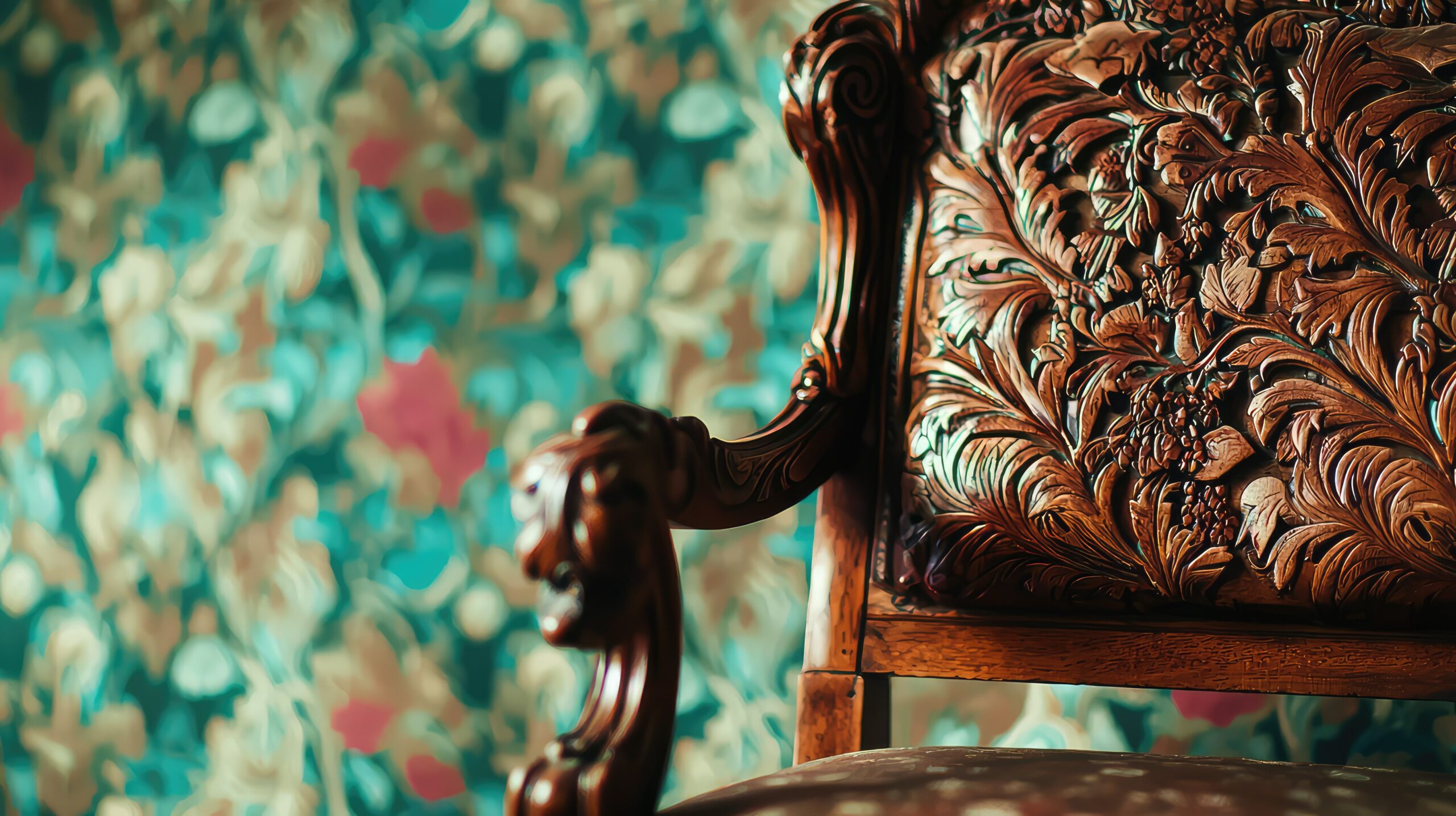
Machine carving is efficient; hand carving is expressive. Run your fingers along an antique’s detail — the scroll of an armrest, the leaf of an acanthus motif — and you will feel subtle irregularities. Those imperfections are proof of life. The craftsman’s touch varied with pressure, mood, and grain. No two carvings are identical, even within a set.
In contrast, machine cuts are symmetrical, lifelessly consistent. Edges feel too sharp, curves too exact. The romance of handwork lies precisely in its unpredictability. Under candlelight, these variations breathe.
Telltale Clues
Collectors learn to read furniture like a language:
• Tool Marks: Look beneath gilding or inside joints for uneven gouges or mallet bruises. Machines erase history; hands leave whispers.
• Symmetry: Perfect repetition is rarely human. A hand-carved scroll will differ subtly from its twin.
• Aging Patterns: True handwork ages organically; machine work often darkens evenly, revealing uniform stains rather than natural wear.
• Joinery: Examine dovetails — irregular, slightly slanted cuts suggest handwork, while perfect precision points to factory origin.
Materials and Intent
In centuries past, woodworkers chose timber as painters chose pigments. The curve of a cabriole leg was informed by the grain’s natural bend. Carvers followed the material’s mood. Industrialization broke that dialogue, forcing conformity for speed’s sake. To collect hand-carved furniture is to reclaim a conversation between artist and nature.
Why It Matters
The value of craftsmanship is not only monetary — it’s philosophical. In owning a hand-carved piece, you align yourself with patience and permanence. You invest in an ethic that defies mass production. Every gouge and curve is a trace of someone’s day, their breath and concentration captured in wood.
Blending Past and Present
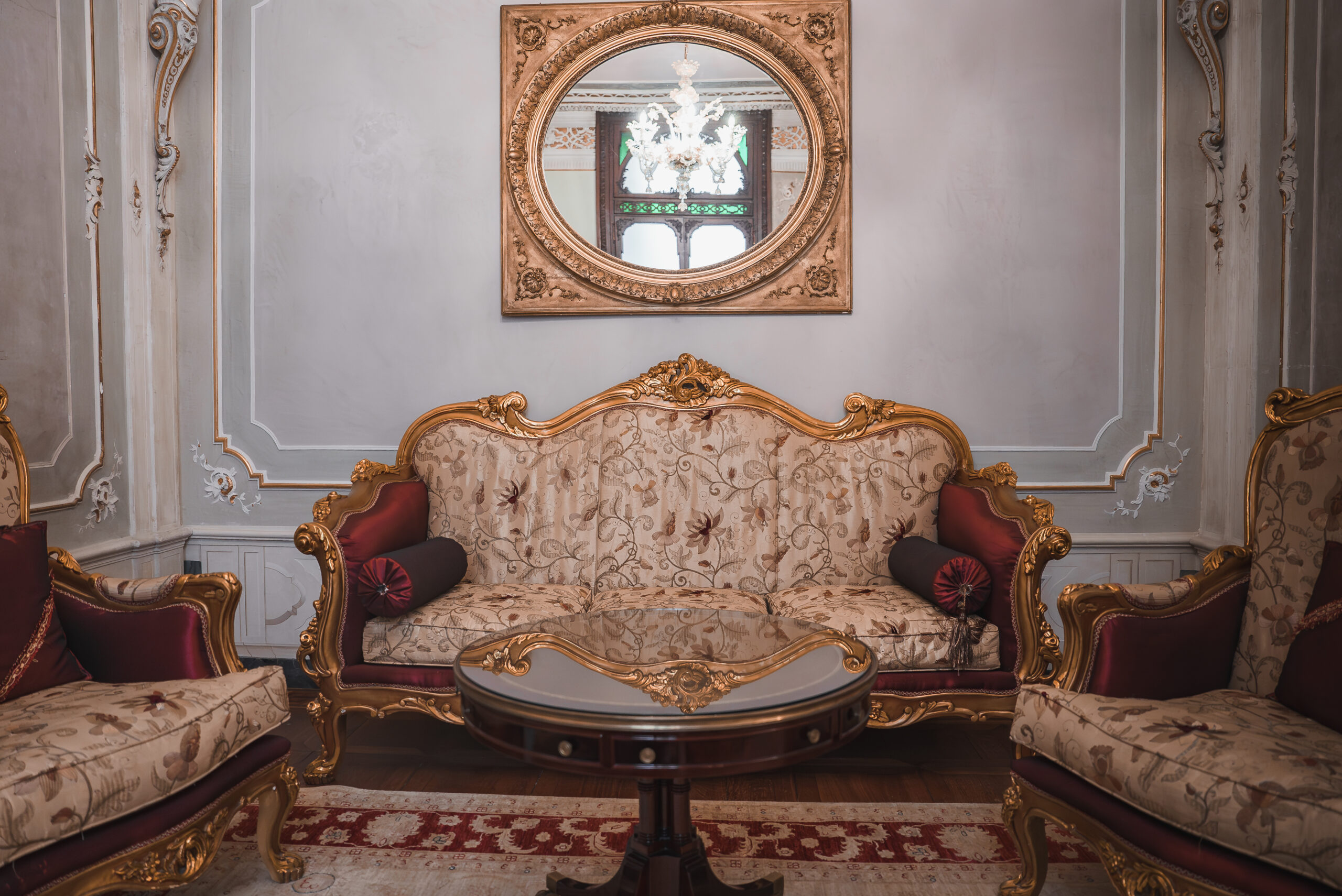
Modern interiors now seek the depth of craftsmanship to counterbalance minimalism. Designers pair clean architecture with carved 18th-century mirrors or rococo consoles because they provide warmth technology cannot replicate. A single hand-carved frame can elevate an entire room, grounding it in humanity.
When collectors learn to see — truly see — they begin to appreciate not just what was made, but how. That insight transforms ownership into stewardship, and decoration into devotion.
— Written exclusively for Godfather Antiques | Celebrating the artistry carved by hand and preserved by time.