The Victorian age has always been a paradox—an era obsessed with progress yet deeply nostalgic for the past. Its architecture reached toward the heavens while its interiors wrapped inhabitants in velvet, lace, and mahogany. Today, long after the gaslights dimmed, the romance of Victorian craftsmanship burns bright again.
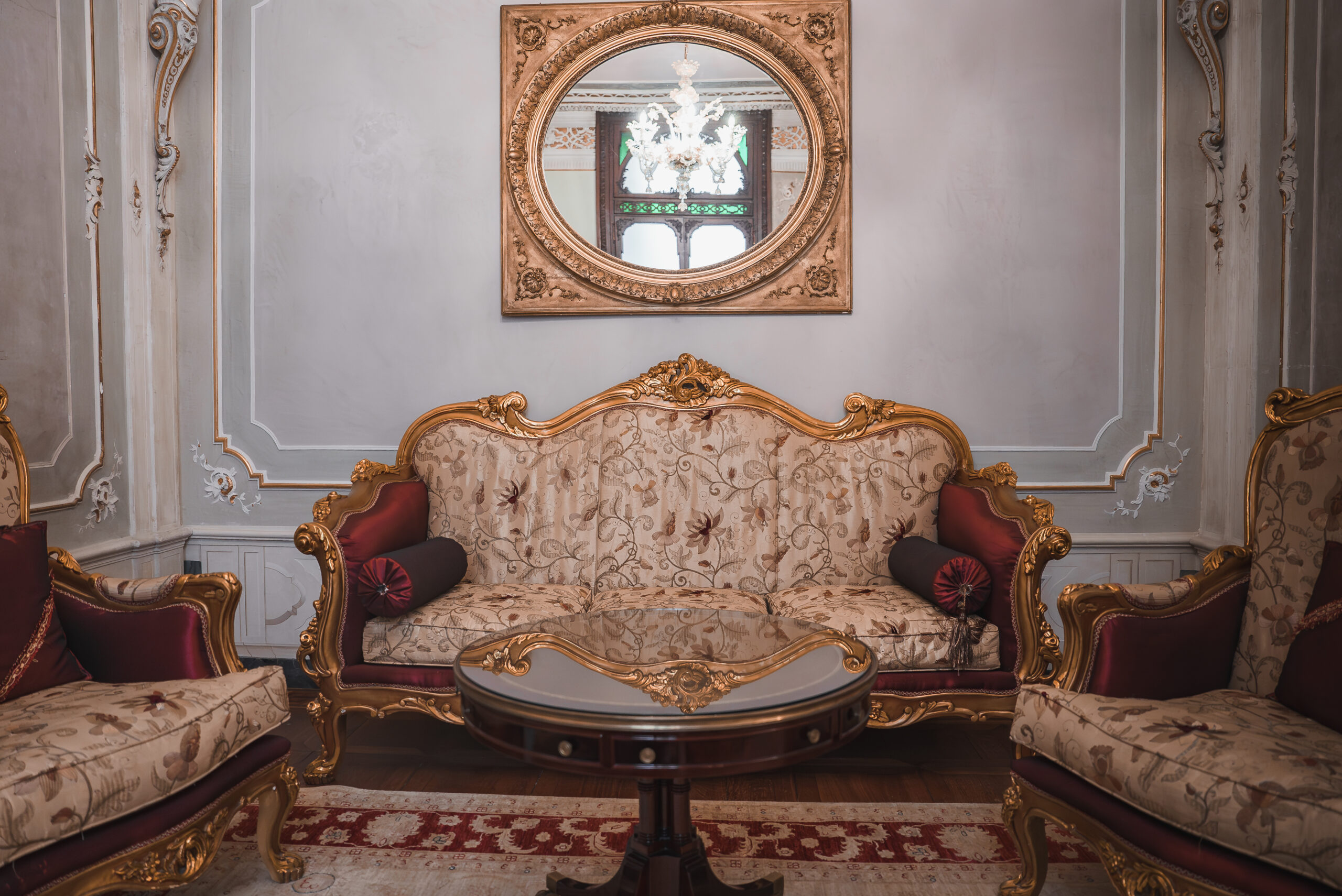
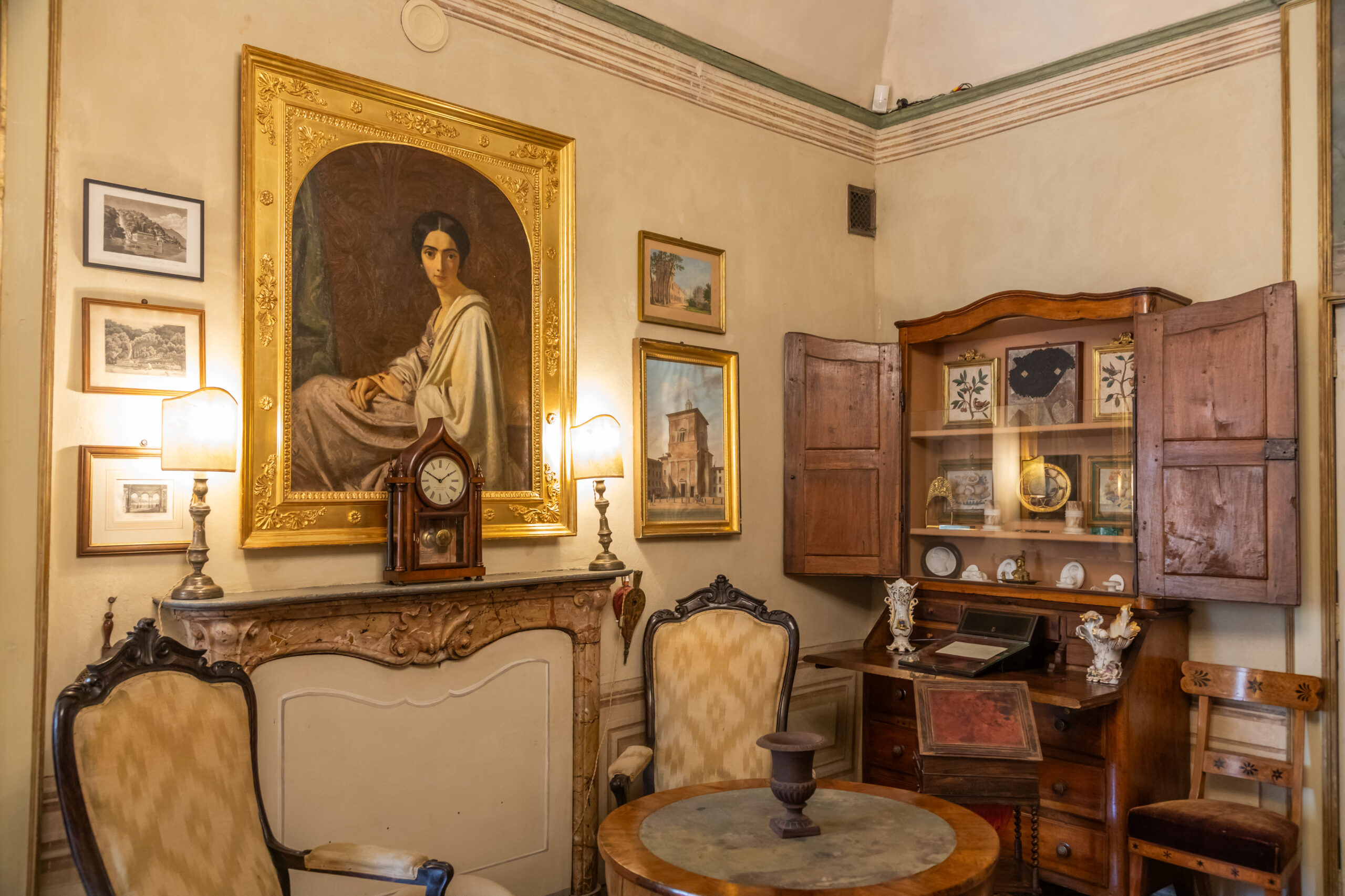
Step into any refined home that prizes atmosphere over minimalism and you’ll see echoes of that century’s grandeur: a carved walnut sideboard glowing beneath polished brass sconces, a marbletopped guéridon catching afternoon light, the shimmer of gilt mirror frames. The resurgence isn’t mere sentimentality. It’s a reaction against disposability—a desire to reconnect with artistry measured not in trends but in time.
An Era Built on Mastery
Industrialization gave Victorians new tools, yet their finest pieces were still made by hand. Cabinetmakers apprenticed for years to achieve perfect joinery; silversmiths hammered repoussé patterns that caught candlelight like jewelry. Each object was meant to outlive its maker. In a world of MDF and mass-production, that permanence feels radical.
Collectors today pursue Victorian design for its tactile honesty—the weight of bronze, the scent of rosewood, the complexity of marquetry. Every surface tells a story of patience. A single pedestal table might include forty species of wood, each chosen for tone and grain, assembled in patterns that evoke music more than geometry.
Romance in Rebellion
Ironically, the return of ornament began as rebellion. Mid-century minimalism left many interiors sterile; the new generation craved narrative. Designers like Martin Brudnizki and Fiona Barratt have reembraced saturated color and historical layering, citing “emotional texture” as the luxury modern homes lack. Auctions mirror this shift: carved chairs once relegated to attics now command record prices, especially when provenance links them to known workshops.
Collecting with Intention
For those entering the field, Victorian pieces reward study. Learn to read joinery, tool marks, and the subtle evolution from early Gothic Revival to late Aesthetic Movement. Buy condition over quantity, and favor craftsmanship that can coexist with contemporary art or lighting—contrast keeps a room alive. Above all, purchase with heart; a collection built solely for investment rarely sings.
Victorian elegance isn’t returning—it never truly left. It waits patiently, polished and poised, for those who remember that beauty once took time.
— Written exclusively for Godfather Antiques | Exploring the heritage and craftsmanship behind the world’s finest treasures.